Snagg
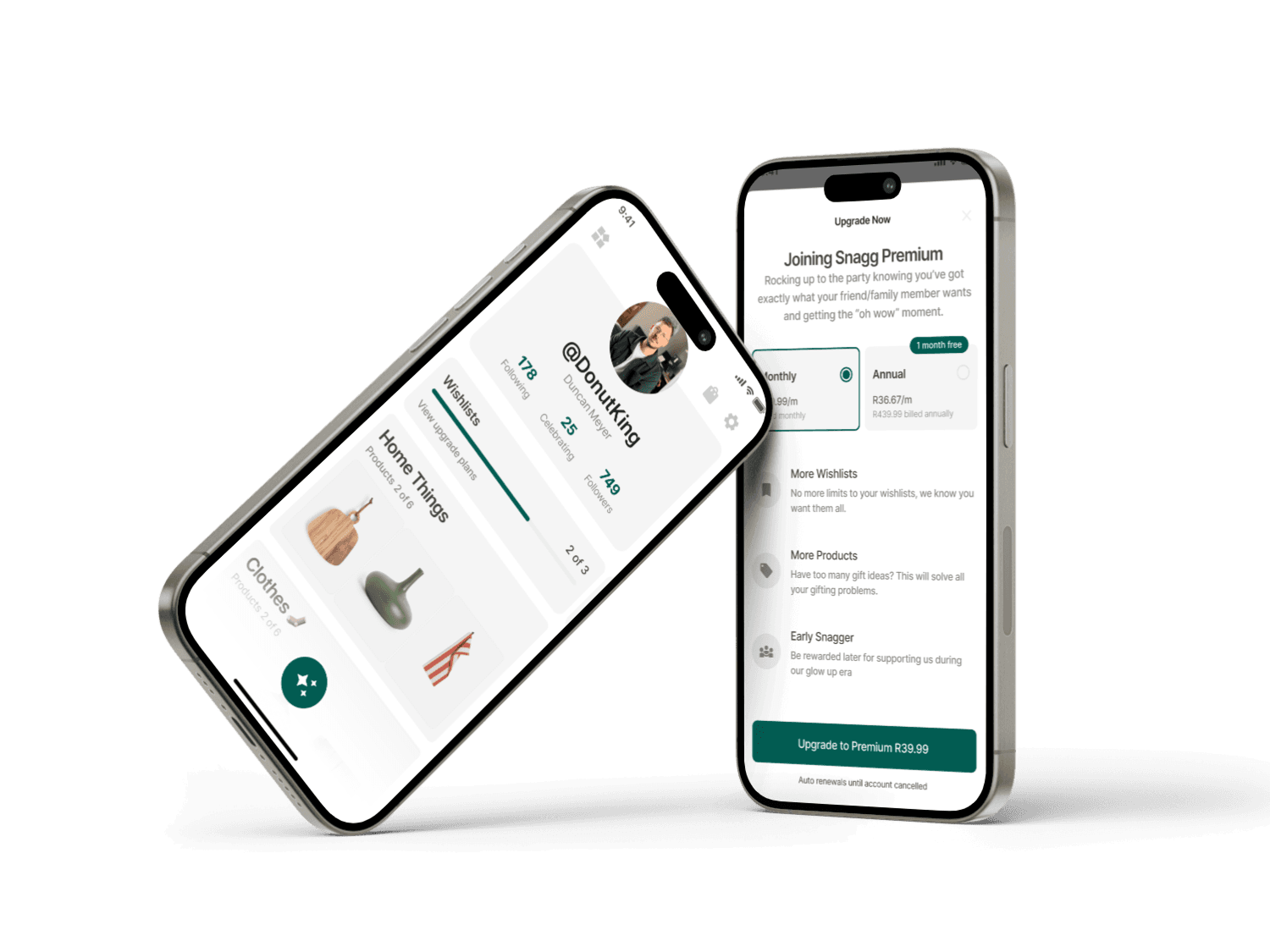
Snagg's team had built a React Native wishlist app and wanted to know it was safe to put real people on. We audited it end to end, wrote the findings up twice (once for engineers, once for the founders), and shipped the most urgent fixes with automated tests behind them.
- Client
- Snagg
- Year
- 2026
- Built with
- React NativeExpoFirebaseFirestore rulesGitHub Actions
The brief
Snagg is a social wishlist app: build wishlists, follow friends, and share what you actually want. The team had the app built and designed, and it looked ready. Before inviting real users, they wanted an outside view on whether it was actually ready, especially around privacy, which is the whole point of a feature like private accounts.
The hard part
An app can look finished while the rules underneath it are not. Privacy settings that only exist in the interface, a production build still pointed at a test database, and a server function that could be misused to send email are exactly the kind of issues that stay invisible until a real user trips over them. The job was to find them before that happened, rank them honestly, and explain them in a way the founders could act on without reading code.
What we built
- A production-readiness audit ranking every finding as critical, high or medium, with the evidence and the fix for each
- A founder's guide: the same findings in plain English, with how changes should move from a test environment to real users
- Privacy enforced at the data layer: private accounts, and personal details such as contact and billing data, now readable only by the people who should see them
- Write ownership enforced: users can only change their own wishlists, products and profile
- Abuse protection on the email verification function
- A stronger, single password policy, and share links that open the app
- Automated security-rule tests that run on every change, so the fixes cannot quietly regress
What happened
The critical privacy gaps were closed before launch rather than after, and every fix is covered by tests that run automatically. The founders came away with a clear list of what was fixed, what remained, and why each item mattered.
More case studies

Moro Gelato
2024
A full redesign of a Cape Town gelato brand's website with a modern look and premium feel.
- Webflow
- Shopify
- GSAP
Champs FC
2026
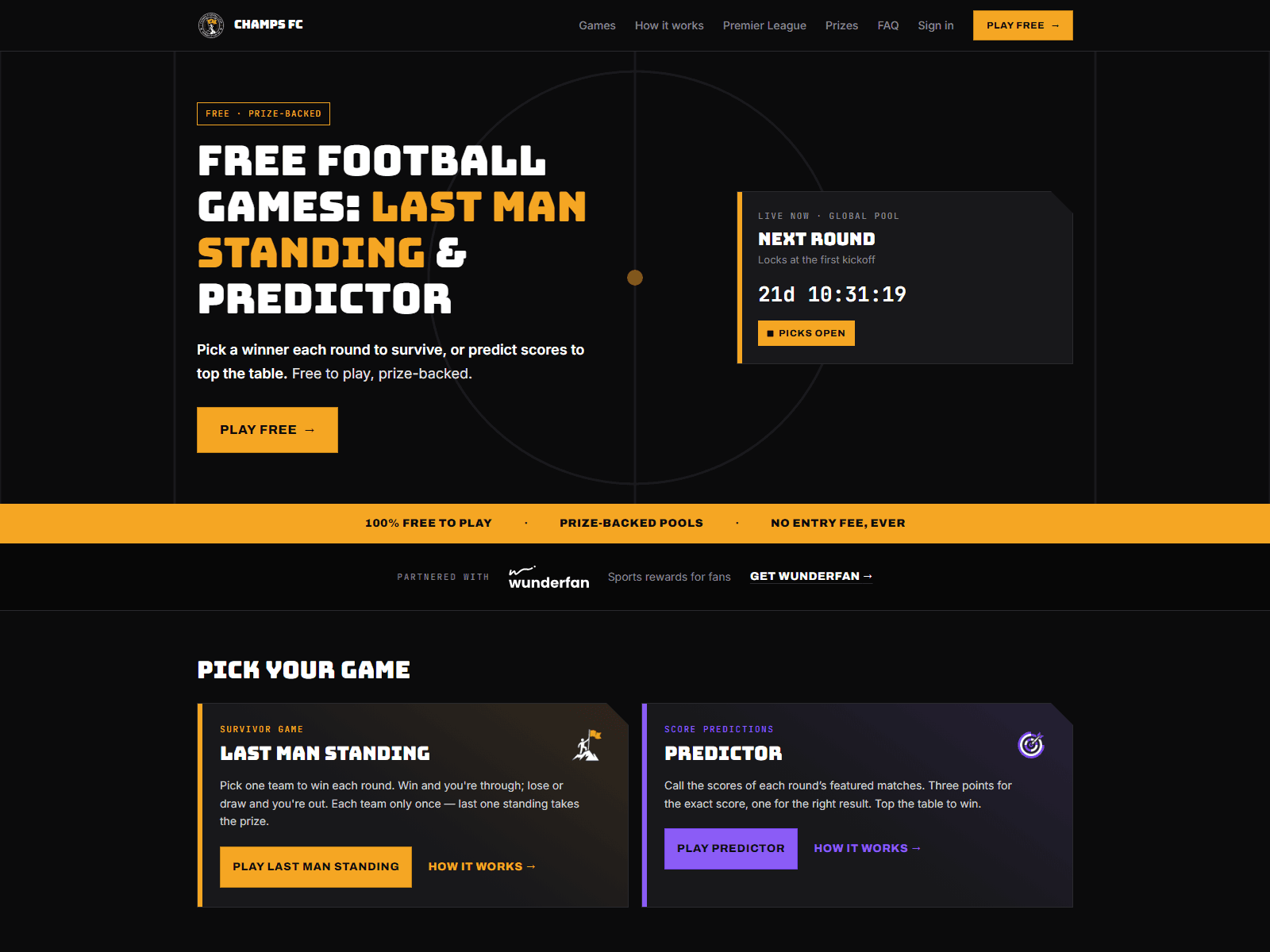
A free, prize-backed survivor football platform rebuilt so the game engine never knows which competition it is running.
- SvelteKit
- Supabase
- TypeScript

projectLIS
2026
A German-language marketing site for an EV charging infrastructure company, built to convert two very different audiences.
- Next.js
- React
- Vercel